Coated Delayed Release Fracturing Chemical or Encapsulated Sodium Persulfate SDS MSDS of Suppliers Exporters |
| Muby Group of USA & India is a pioneer manufacturers suppliers exporters & importers of chemicals including Coated Delayed Release Fracturing Chemical or Encapsulated Sodium Persulfate, Hydraulic fracturing stimulation & oil well production chemicals, Pharmaceutical excipients and API, Fragrance & flavor chemicals. Muby Group has several manufacturing facilities and toll manufacturers across the globe. We have offices warehouses and representatives in Houston & Midland Texas and Chicago Illinois USA. |
| Our suppliers have accreditations like FDA - GMP-GLP approval, ISO-9001, ISO-22000 HACCP, Kosher & Halal Certification. We offer Commercial Pure Pharmacopoeia API Excipients Analytical Reagent & Food Grade of Chemicals and do Toll Manufacturing for Oil well drilling fracking fracturing and others. |
 -----
----- 


Coated or Encapsulated Sodium Persulfate Manufacturers
Encapsulated Sodium Persulfate SDS Safety Data Sheet
MSDS, Material Safety Data Sheet
1. Product & Company Identification
Product Name & Other Names: Encapsulated Sodium Persulfate or Encapsulated Sodium Persulphate or Encapsulated Sodium Persulfate Gel Breaker.
CAS No.: Mixture
Relevant uses and uses advised against (if any): Oxidizer for Oil & Gas Wells and Industrial Use.
Supplier: As per letterhead.
2. Hazards Identification
GHS, Globally Harmonized System Classification in accordance with 29 CFR 1910
Classification according to Regulation (EC) No 1272/2008
Acute toxicity - Oral Category 4
Skin corrosion/irritation Category 2
Serious eye damage/eye irritation Category 2A
Respiratory sensitization Category 1
Skin sensitization Category 1
Specific target organ toxicity (single exposure) Category 3
Oxidizing Solids Category 3
Labeling according to GHS & Regulation (EC) No 1272/2008
GHS Label Elements Oxidizing Solid | GHS Label Elements Irritant | GHS Label Elements Health Hazard |
Signal Word: Danger
Hazard Statements:
H272 - May intensify fire; oxidizer
H302 - Harmful if swallowed
H315 - Causes skin irritation
H317 - May cause an allergic skin reaction
H319 - Causes serious eye irritation
H334 - May cause allergy or asthma symptoms or breathing difficulties if inhaled
H335 - May cause respiratory irritation.
Precautionary Statements - Prevention
P210: Keep away from heat/sparks/open flames/hot surfaces. - No smoking.
P220: Keep/Store away from clothing/combustible materials
P221: Take any precaution to avoid mixing with combustibles
P261: Avoid breathing dust.
P264: Wash face, hands and any exposed skin thoroughly after handling
P270: Do not eat, drink or smoke when using this product
P271: Use only outdoors or in a well-ventilated area
P280: Wear protective gloves/ protective clothing/ eye protection/ face protection
P285: In case of inadequate ventilation wear respiratory protection.
Precautionary Statements - Response
P301+ P312: IF SWALLOWED: Call a POISON CENTER or doctor if you feel unwell.
P302+ P352: IF ON SKIN: Wash with plenty of water.
P304+P341: IF INHALED: If breathing is difficult, remove to fresh air and keep at rest in a position comfortable for breathing.
P305+P351+ P338: IF IN EYES: Rinse cautiously with water for several minutes. Remove contact lenses, if present and easy to do. Continue rinsing.
P314: Get Medical advice/attention if you feel unwell.
P330: If swallowed, rinse mouth.
P333+P313: If skin irritation or rash occurs: Get medical advice/ attention.
P337+P313: If eye irritation persists: Get medical advice/ attention
P342+P311: If experiencing respiratory symptoms: Call a POISON CENTER or doctor.
P362: Take off contaminated clothing and wash before reuse.
P370+P378: In case of fire: Use water for extinction.
Precautionary Statements - Storage
P402: Store in a dry place.
P403+P233: Store in a well-ventilated place. Keep container tightly closed
P501: Dispose of contents/container in accordance with local, regional, national, international regulations.
3. Composition/Information on Ingredients
Ingredient1: Sodium Persulfate
CAS No.: 7775-27-1
Percentage: Less than 90%
Ingredient2: Non-Hazardous Ingredients
Percentage: More than 10%
4. First Aid Measures
Always seek medical attention after first aid measures are provided.
Inhalation: Remove to fresh air. If not breathing, give artificial respiration. If breathing is difficult, give oxygen. Get medical attention.
Ingestion: If swallowed, do not induce vomiting. Give large quantities of water. Never give anything by mouth to an unconscious person. Get medical attention immediately.
Skin Contact: In case of contact, immediately flush skin with plenty of water for at least 15 minutes while removing contaminated clothing and shoes. Cover the irritated skin with an emollient. Cold water may be used. Wash clothing & shoes before reusing. Get medical attention.
Eye Contact: Check for and remove any contact lenses. In case of contact, immediately flush eyes with plenty of water for at least 15 minutes. Cold water may be used. Get medical attention.
5. Fire Fighting Measures
Fire: Not combustible, but the substance is a strong oxidizer and its heat of reaction with reducing agents or combustibles may cause ignition. Heating or contact with water releases oxygen which may intensify combustion in an existing fire.
Explosion: An explosion hazard when mixed with finely powdered organic matter, metal powder, or reducing agents.
Special hazards arising from the substance or mixture: Sulphur oxides, Sodium oxides
Fire Extinguishing Media: Use water spray, alcohol-resistant foam, dry chemical or carbon dioxide. Use means suitable for extinguishing surrounding fire. Cool containers with flooding quantities of water until well after fire is out.
Special Information: In the event of a fire, wear full protective clothing and NIOSH-approved self-contained breathing apparatus with full face piece operated in the pressure demand or other positive pressure mode. Sealed containers may rupture when heated.
6. Accidental Release Measures
Personal precautions, protective equipment and emergency procedures: Avoid breathing dust/fumes/gas/mist/vapors/spray. Use individual protective equipment (waterproof boots, suitable protective clothing, safety glasses, etc.). Restrict unprotected personnel from the area. Prevent any contact with hot surfaces. Do not approach facing the wind. Do not touch the spilled material.
Environmental precautions: Do not let the product enter drains, soil or water sources.
Methods and materials used for containment cleanup procedures and Storage:
Small Spill: Use appropriate tools to put the spilled solid in a convenient waste disposal container.
Large Spill: It is an oxidizing material. Stop leak if without risk. Avoid contact with combustible material (wood, paper, oil, clothing etc.). Keep the substance damp using water spray. Do not touch spilled material. Prevent entry into sewers. Eliminate all ignition sources. Avoid penetration into waterways, sewers, soil or groundwater. Local authorities should be advised if significant spillages cannot be contained.
7. Handling and Storage
Precautions for safe handling: Apply according to good manufacturing and industrial hygiene practices. Ensure proper ventilation. Wash thoroughly after handling it. Do not drink, eat or smoke while handling. Avoid contact with skin, eyes and clothing. Minimize dust generation. Avoid breathing dust/fumes/gas/mist/vapors/spray. Avoid contact with eyes, skin, and clothing. Keep container tightly closed. Avoid ingestion and inhalation. Use individual protective equipment (waterproof boots, suitable protective clothing, safety glasses, etc.). Prevent any contact with hot surfaces.
Conditions for safe storage, including any incompatibilities: Store in cool, dry and ventilated area away from heat sources and protected from sunlight in tightly closed original containers. Keep air contact to a minimum. Do not leave the material container open. Store protected from heat, sparks and ignition sources and incompatible materials. Avoid contact with skin and eyes. Avoid inhalation of dust/mist/vapor. Do not store with incompatible materials like reducing agents, organic material, water and powdered metals especially aluminum, acids, bases, halides, oxidizing agents, reducing agents, combustible materials. Avoid storage on wood floors. Containers of this material may be hazardous when empty since they retain product residues.
8. Exposure Controls/Personal Protection
Airborne Exposure Limits: - ACGIH Threshold Limit Value (TLV): 0.1 mg/m3 (TWA) for persulfate part.
Ventilation System: A system of local and/or general exhaust is recommended to keep employee exposures below the Airborne Exposure Limits. Local exhaust ventilation is generally preferred because it can control the emissions of the contaminant at its source, preventing dispersion of it into the general work area.
Personal Respirators (NIOSH Approved): For conditions of use where exposure to dust or mist is apparent and engineering controls are not feasible, a particulate respirator (NIOSH type N95 or better filters) may be worn. If oil particles (e.g. lubricants, cutting fluids, glycerin, etc.) are present, use a NIOSH type R or P filter. For emergencies or instances where the exposure levels are not known, use a full-face positive-pressure, air-supplied respirator. WARNING: Air-purifying respirators do not protect workers in oxygen-deficient atmospheres.
Skin Protection: Wear protective gloves and clean body-covering clothing.
Eye Protection: Use chemical safety goggles. Maintain eye wash fountain and quick-drench facilities in work area.
9. Physical and Chemical Properties
Appearance: White to off white Granular.
Odor: Faint Organic.
Odor threshold: Not available.
pH: Not available.
Relative density: Not available.
Melting Point: Decomposes
Initial boiling point and boiling range: Not available.
Flash point: Not available.
Auto-ignition temperature: Not available.
Decomposition temperature: Not available.
Upper/lower flammability or explosive limits: Not available.
Vapor pressure: Not available.
Vapor density: Not available.
Evaporation rate: Not available.
Flammability (solid, gas): Not available.
Partition coefficient: n-octanol/water: Not available.
Solubility(ies): Not available.
Viscosity: Not available.
10. Stability and Reactivity
Stability: Stable under ordinary conditions of use and storage.
Hazardous Decomposition Products: Decomposed by moisture. Burning may produce Sodium oxide, sulfur oxides, sulfuric acid and chlorine. Oxygen is released which supports combustion.
Hazardous Polymerization: Will not occur
Incompatibilities: Reducing agents, organic material, water and powdered metals especially aluminum. Acids, Bases, Halides, Oxidizing agents, Strong reducing agents, Combustible materials.
Conditions to Avoid: Moisture, combustible materials and incompatibles.
11. Toxicological Information
For Sodium Persulfate:
Oral rat LD50: 920 mg/kg
Carcinogenicity: Not listed by ACGIH, IARC, NTP, or CA Prop 65.
Mutagenic Effects: Not available.
Developmental Toxicity: Not available.
Reproductive Effects: No information available.
12. Ecological Information
For Sodium Persulfate:
Toxicity to fish LC50: Oncorhynchus mykiss (rainbow trout) - 163 mg/l - 96 h
Toxicity to daphnia and other aquatic invertebrates: EC50 - Daphnia magna (Water flea) - 133 mg/l - 48.
Persistence and degradability: no data available
Bioaccumulative potential: no data available
Mobility in soil: no data available.
13. Disposal Considerations
Whatever cannot be saved for recovery or recycling should be handled as hazardous waste and sent to an RCRA approved waste facility. Processing use or contamination of this product may change the waste management options. State and local disposal regulations may differ from federal disposal regulations. Dispose of containers and unused contents in accordance with federal, state and local requirements.
14. Transport Information
Domestic (Land USA) and ADR/RID
Proper Shipping Name: CONTAINS SODIUM PERSULFATE
Hazard Class: 5.1
UN/NA: UN1505
Packing Group: III
International (Water, I.M.O.) IMDG & IATA
Proper Shipping Name: CONTAINS SODIUM PERSULFATE
Hazard Class: 5.1
UN/NA: UN1505
15. Regulatory Information
USA:
SARA 311/312: Acute health hazard Yes; Chronic health hazard No; Firehazard Yes; Sudden release of pressure hazard No; Reactive Hazard No
California No Significant Risk Level: None of the chemicals in this product are listed.
Section 16 - Additional Information
European Labeling in Accordance with EC Directives:
H272 = May intensify fire; oxidizer
H302 = Harmful if swallowed
H315 = Causes skin irritation
H317 = May cause an allergic skin reaction
H319 = Causes serious eye irritation
H334 = May cause allergy or asthma symptoms or breathing difficulties if inhaled
H335 = May cause respiratory irritation
O = Oxidizing
Xn = Harmful
R8 = Contact with combustible material may cause fire.
R22 = Harmful if swallowed.
R36/37/38 = Irritating to eyes, respiratory system and skin.
R42/43 May cause sensitization by inhalation and skin contact.
DISCLAIMER: The information and recommendations set forth herein are presented in good faith and believed correct as of the date hereof. It is compiled from various sources, and it is not necessarily all inclusive nor fully adequate in every circumstance. In addition, these suggestions should not be confused with or followed in violation of applicable laws, regulations, rules or insurance requirements applicable. This MSDS sheet is intended only as a guide to the appropriate precautionary handling of the material by a properly trained person using this product. Individuals receiving the information must exercise their independent judgment in determining its appropriateness for a particular purpose.
Coated or Encapsulated Sodium Persulfate Manufacturers:
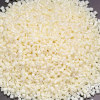
Suppliers Manufacturers Exporters Importers between USA Canada UAE Europe Korea Russia South Africa Tanzania Kenya Uganda Egypt Nigeria Turkey Mexico Brazil Argentina Chile Dubai China India etc.
Copyright and Usual Disclaimer is Applicable.
If you feed a dog with your hand, it will never bite you. That is the principal difference between a dog and a man.
13 October, 2026